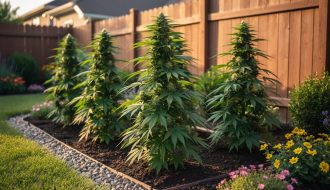
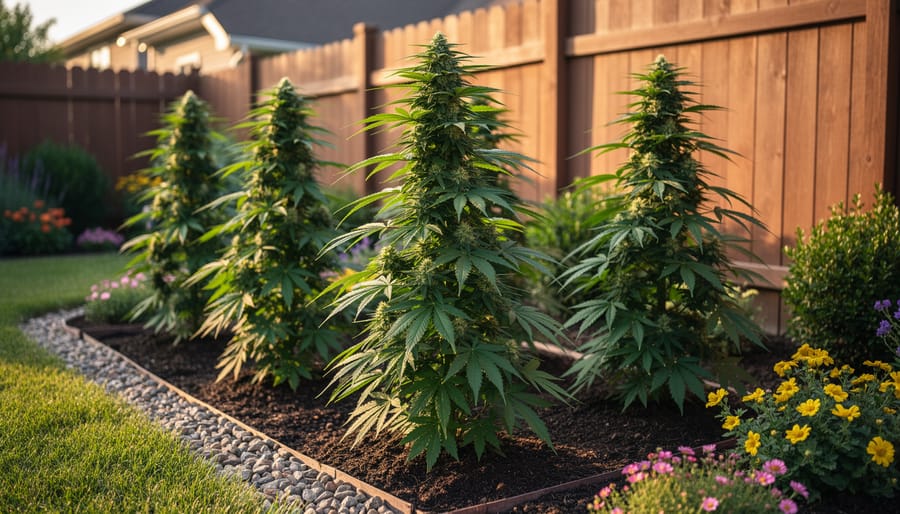
Growing cannabis as part of your landscape comes down to three steps: confirm what’s legal on your property, choose a site and variety that suit your yard, then plant and style it like any other ornamental. Done well, the result is a plant with bold, serrated foliage and a strong vertical form that works as a focal point in a border or a screen along a fence. Expect a weekend of planning, a few hours of soil preparation, and a season of steady, moderate upkeep.
In Canada, the federal Cannabis Act allows adults to grow up to four plants per household, but provinces, territories, landlords and condo boards can set tighter limits. Some require plants to be out of public view or not visible from a public place. That makes design decisions legal ones too. Placement, fencing and screening aren’t just about looks.
The craft is in treating cannabis as a plant with specific needs: full sun, well-drained soil, steady moisture and room for air to move. Get those right and the artistry follows, from pairing it with grasses and perennials to shaping sightlines that keep it tidy and discreet. This guide walks through the rules, the tools, and a clear planting and styling process, so you can build something attractive, compliant and safe.
Why Cannabis Deserves a Place in the Designed Landscape
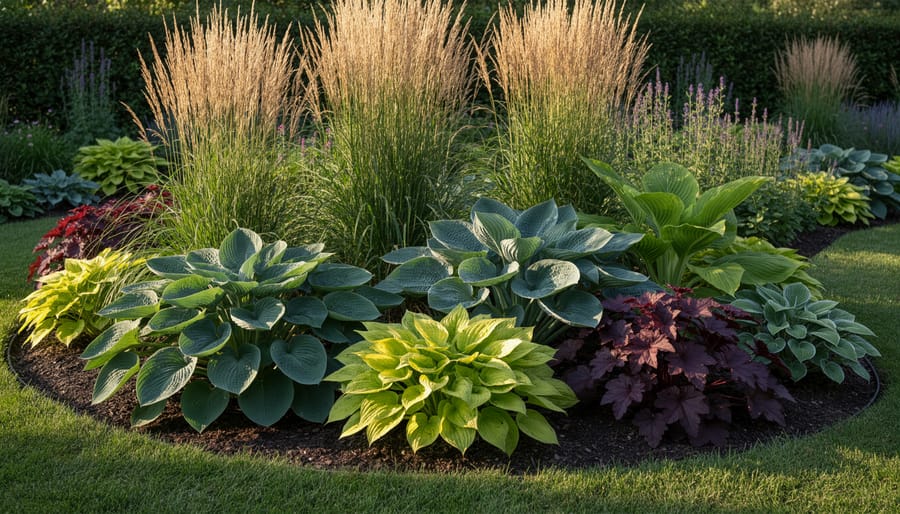
Design Roles: Focal Point, Seasonal Screen and Backdrop
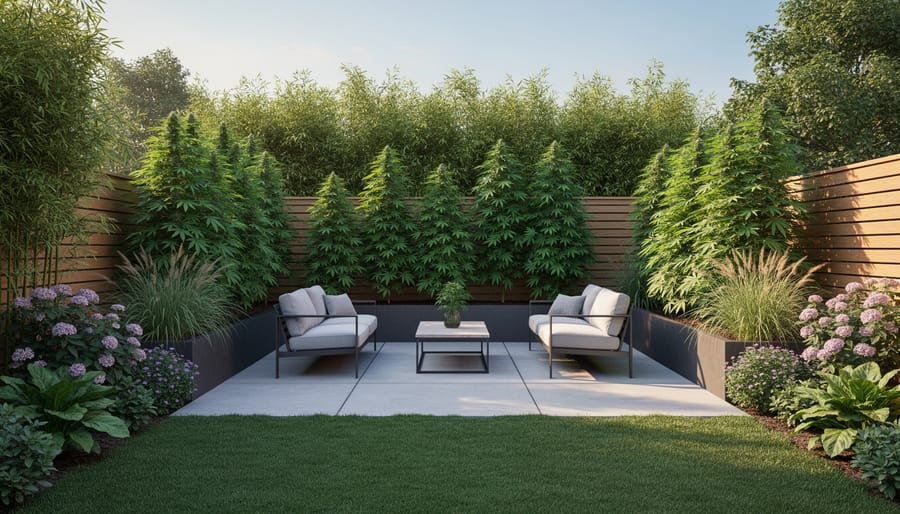
Cannabis plants can play three distinct roles in a designed landscape, and choosing the right one early shapes everything from placement to spacing.
- Focal point: a single, well-grown plant in a large container or raised bed anchoring a corner of a patio or a rear garden bed.
- Seasonal screen: a row of plants spaced along a fence line, offering leafy summer privacy that fades after harvest.
- Backdrop: taller plants positioned behind ornamental grasses and perennials, adding depth and a dark green wall of texture.
Each role suits different properties. A focal planting works well in private residential yards, where a single plant on a deck or in a bed can be enjoyed up close and kept within sight. Seasonal screening and backdrop plantings need more room, so they tend to fit larger rural lots, where distance from neighbours and roadways gives you space to plant in groups. On managed properties, such as multi-unit sites, any of these roles is possible only where the owner or board permits it, so confirm that first.
Whatever the role, remember that cannabis is an annual. The design must look intentional in July and still look tidy once the plants are cleared in autumn.
Know the Rules Before You Plant: Safety and Compliance Warnings
Stop Conditions Before You Begin
Before you dig, pause if any of the situations below apply to your property. Each one is a reason to check with your municipality, landlord or a professional before going further.
- Your lease, strata rules or municipal bylaw prohibits growing cannabis outdoors.
- You have no secure, private spot that keeps plants out of public view.
- Children or pets can reach the planting area without supervision.
- Your provincial plant-count limit or visibility requirement is unclear.
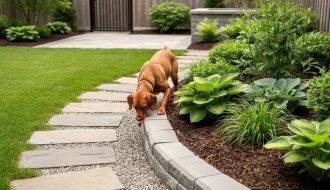
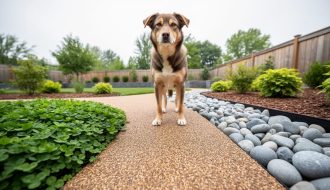
If young kids or animals share your yard, plan the layout around their safety first. Our guides on pet friendly landscaping and choosing dog friendly materials can help you build a safer yard.
When in doubt, stop and confirm. A short call to your local office costs far less than reworking a planting that was never allowed.
Tools and Materials for Planting and Supporting Cannabis in Your Landscape
Before you plant, gather your supplies in four groups: soil preparation, planting, support and screening, and maintenance. Having everything on hand keeps the project efficient and the finished look intentional.
Soil preparation. Start with a soil test kit to measure soil pH, which is simply how acidic or alkaline your soil is. Cannabis generally performs best in slightly acidic, well-drained soil. Drainage refers to how quickly water moves through the soil rather than pooling around roots. Pair the test kit with quality compost to improve structure and fertility, plus a layer of organic mulch to hold moisture and suppress weeds.
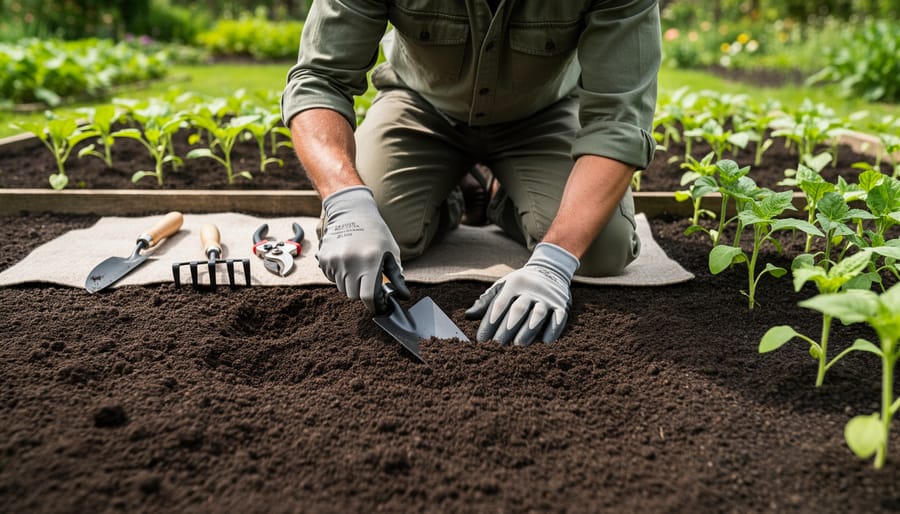
Planting. If your native soil is heavy clay or you want a cleaner look, choose large containers or raised beds. Both give you control over soil quality and drainage, and they double as design features. Gloves are a must, since handling plants can irritate sensitive skin.
Support and screening. Sturdy stakes and horticultural netting keep tall stems upright through summer wind and heavy growth. For privacy and structure, consider cedar fencing, lattice panels or a deck-side planter wall that frames the plant discreetly. Choosing safe yard materials, like the options in our guide to safe yard materials helps protect pets and children around your planting area.
Maintenance. Install drip irrigation for steady, targeted watering, or keep a watering can handy for smaller plantings. Finish your kit with bypass pruners and other sharp, clean cutting tools. Sanitizing blades between cuts helps prevent the spread of disease.
Step-by-Step: Planting and Styling Cannabis as a Landscape Feature
Pairing Cannabis With Companion Plants and Hardscape
Cannabis has a strong, upright silhouette, so the plants around it should either echo or contrast that form. Fine-textured ornamental grasses such as feather reed grass or switchgrass soften the broad, palmate leaves and add movement in a breeze. Their narrow blades make a clean counterpoint to the plant’s bold foliage.
For colour and layering, consider tall perennials like purple coneflower, rudbeckia or Joe Pye weed. Their daisy-like blooms and airy stems fill the gaps at the base while keeping attention on your focal plant. Flowering annuals such as zinnias, cosmos and marigolds can be tucked in front to bring summer colour at low cost, and they are easy to swap out each year.
Hardscape does the structural work. A cedar fence, lattice panel or pergola-style frame gives the plant a defined backdrop and provides discreet screening from neighbouring sightlines, which supports the privacy requirements covered earlier. Position any structure so it does not cast shade across the plant during peak sun hours.
On a patio or deck, group large containers in odd numbers, such as three, at varying heights. Place the cannabis in the tallest pot and surround it with trailing annuals and compact grasses. Choose containers with drainage holes and enough volume for mature root growth, and keep them on a stable, level surface so a full-grown plant does not tip in wind.
Seasonal Care: Watering, Feeding and Pruning Through the Growing Season
Think of the growing season as three phases, each with its own rhythm.
Establishment (late spring). Water new transplants deeply every few days, soaking the root zone to about 20 centimetres rather than sprinkling the surface. Deep, less frequent watering encourages roots to anchor firmly. Keep mulch pulled slightly back from the stem to prevent rot.
Summer growth. Plants put on rapid height, so check supports weekly and tie stems loosely as they climb. Water in the morning at the base, since wet foliage overnight invites mildew. Feed lightly. Compost-enriched soil usually supplies most of what the plant needs, and overfeeding produces weak, floppy growth and burned leaf tips.
Airflow matters as much as water. Thin crowded interior branches and remove the lowest leaves so air moves freely through the plant. Good spacing from fences and neighbouring perennials lowers humidity around the foliage, which is your best defence against mould.
Autumn cleanup. As temperatures drop, ease off watering. Once the plant has finished its cycle, cut it down and check local rules for disposal, since many municipalities restrict how plant material is handled. Do not leave debris lying in the garden bed, where it can harbour mould and pests over winter. Clean your pruners afterward, then refresh the mulch and soil so the bed is ready for next season’s design.
Check Your Results and Plan Next Steps
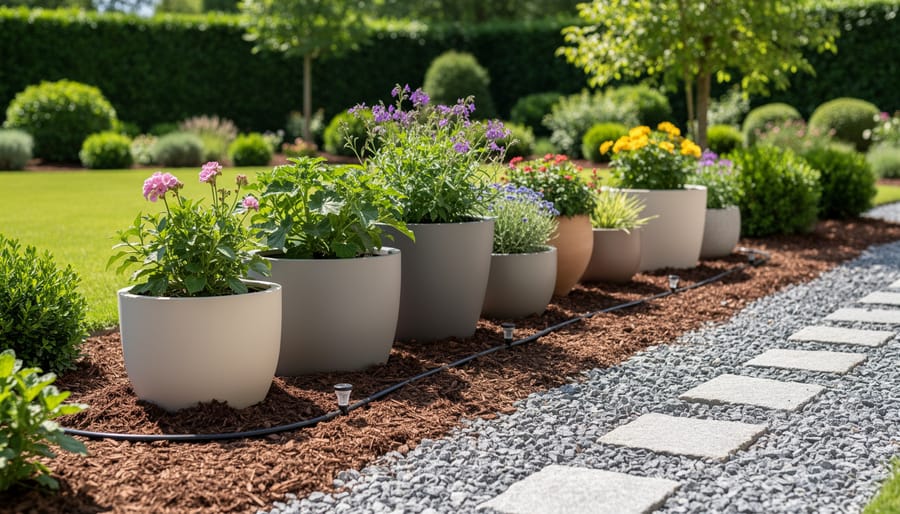
Once the plants are in and the season is underway, a quick audit tells you whether the planting is thriving and whether it reads as part of the design. Check the structure first: stems should be sturdy and upright, supports firm, and leaf colour even from top to bottom. Walk the yard and look at the composition from your main viewpoints, such as the patio, the street and the neighbour’s sightline. The plant should sit comfortably with its companions and screening rather than stand out awkwardly.
Watch for early warning signs. Yellowing lower leaves often point to overwatering, poor drainage or nutrient imbalance. Sticky residue, speckled leaves or chewed foliage suggest pests, and a powdery white coating signals mildew, usually from crowded growth and poor airflow. Respond by easing back on water, thinning dense growth and improving air movement, rather than adding more feed.
For next steps, evaluate the planting at the end of the season and note what to refine, such as taller screening or stronger supports. Larger or more complex projects benefit from professional planning. JRALA offers custom landscaping fencing, decking and ongoing maintenance, and our team can provide landscape design help to tie everything together.
Frequently Asked Questions About Integrating Cannabis Into Landscaping
Can I grow cannabis in a front yard?
Often it is a poor choice, even where home cultivation is allowed. Many provinces and municipalities restrict plants that are visible from public spaces, so a secure, screened backyard is usually the safer site. Confirm the rules with your local authority before planting anywhere.
How much sun does it need in Canada?
Cannabis grows best in full sun, meaning at least six to eight hours of direct light a day. In shorter northern seasons, a south-facing spot with good airflow gives plants the most usable growing time.
Can I grow it in containers on a deck?
Yes, if local rules permit it. Choose large containers with solid drainage so roots have room and water does not pool, and keep in mind that mature plants are tall, heavy and exposed to wind.
How do I screen plants from neighbours?
Use solid fencing or lattice, then soften it with ornamental grasses or tall perennials in front. Layering structure and planting looks more intentional than a bare barrier.
What do I do with plant debris at season’s end?
Remove all plant material promptly and handle it according to your municipality’s yard-waste and cannabis disposal guidelines. Cleaning up also reduces the risk of mould and pests carrying over to next season.
Legal specifics differ by province, territory and municipality, so check current local regulations, and any landlord or strata terms, before you plant.
Bringing cannabis into your landscape works best when three things move together: legal compliance, sound horticulture and thoughtful design. Confirm your provincial and municipal rules first, then give the plants what they need, which means full sun, well-prepared soil and steady care through the season. From there, treat them like any other focal plant, with supports, screening and companions that make the whole composition feel intentional.
If you’re planning something larger, a professional landscape team can help with layout, fencing and decking that frames the planting and keeps it discreet. A little planning up front makes the finished result far easier to enjoy.