Custom landscaping transforms an ordinary yard into a personalized outdoor sanctuary tailored to your property’s unique conditions, your aesthetic vision, and how you actually live outdoors. Unlike standard landscaping packages that apply cookie-cutter templates, custom design integrates site-specific analysis with creative planning to address drainage challenges, maximize usable space, enhance privacy, and create outdoor rooms that function as extensions of your home. The process combines scientific precision in soil assessment, grading, and plant selection with artistic integration of hardscaping, lighting, and seasonal color to deliver results that work beautifully year-round in Canadian climates.
For homeowners and property managers across Canada, the difference becomes clear the moment you walk the property with a custom landscape designer. Standard services offer predetermined plant lists and generic layouts. Custom solutions begin with understanding microclimates in your yard, measuring sun exposure throughout the day, analyzing soil composition, and discussing how your family uses outdoor space. A young family might need durable play areas with sight lines from the kitchen, while empty nesters may prioritize low-maintenance perennial gardens and quiet seating nooks. The investment reflects this personalization, typically ranging from careful planning and phased installation to comprehensive transformations that reimagine every square foot of your landscape.
What Makes Landscaping Truly Custom
Standard landscaping packages follow a template: pick from a handful of predetermined designs, choose from a limited plant palette, and settle for a solution that might look fine but wasn’t created for your specific property. Custom landscaping takes the opposite approach. It starts with your site as it exists, its quirks, its challenges, its opportunities, and builds a design that responds to what’s actually there rather than forcing a generic plan onto it.
The distinction goes beyond aesthetics. Custom solutions account for the unique characteristics of your property: the slope that causes drainage issues after spring melt, the mature oak that casts afternoon shade over half the backyard, the western exposure that bakes certain areas in summer while others stay cool. A template can’t address these realities. Custom design treats them as design parameters, working with the land rather than against it.
Client preferences drive every decision in custom work. If you entertain frequently, the design might prioritize a spacious patio with built-in seating and ambient lighting. If you have young children, durable surfaces and open sightlines take precedence over delicate ornamental beds. These aren’t add-ons to a base package, they’re foundational to how the entire space gets conceived.
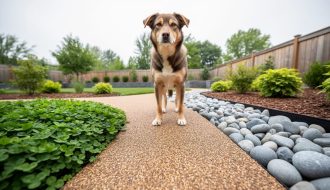
Lifestyle needs shape the functional layout. A gardening enthusiast gets raised beds positioned for optimal sun and easy access. Someone who travels often receives low-maintenance plantings and efficient irrigation. The family with dogs needs turf that can handle traffic and fencing that defines boundaries without blocking views.
Environmental factors specific to your region inform every plant selection and material choice. Custom landscaping for a property in coastal British Columbia looks nothing like one in southern Ontario, even if both homeowners describe similar aesthetic goals. Soil composition, frost dates, humidity levels, and native ecosystems all guide what will thrive versus merely survive. The result is a landscape that feels intentional, functions seamlessly for how you live, and performs reliably in your local climate.
Understanding Your Property’s Unique Potential
Site Analysis and Environmental Factors
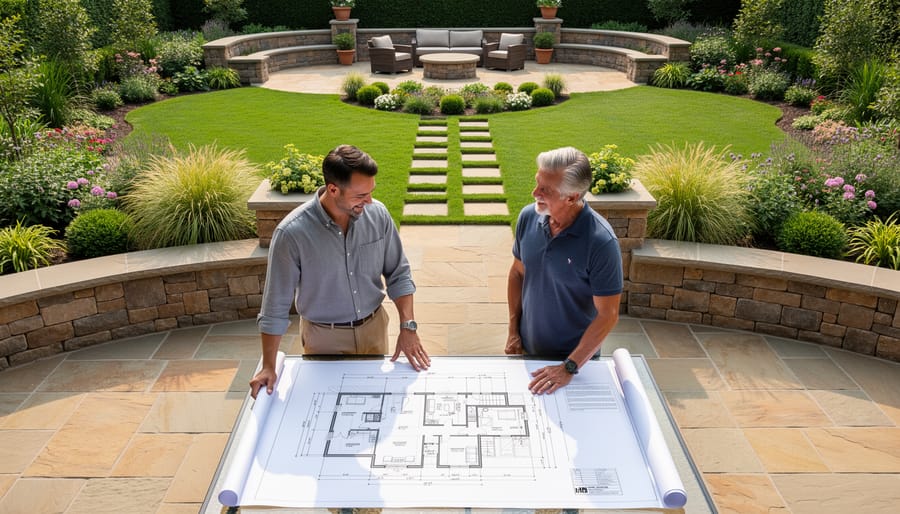
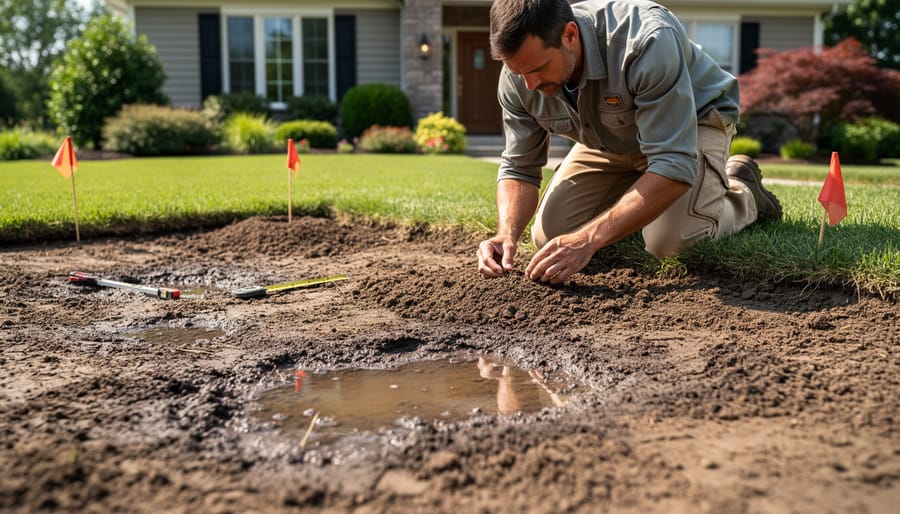
Professional landscape assessment begins with understanding the physical realities that will shape your outdoor space. Topography determines how water flows, where drainage issues might emerge, and which areas receive erosion stress during spring thaws or heavy rains. Slopes greater than 15% typically require terracing or retaining structures, while natural low points may need grading adjustments or drainage solutions to prevent standing water that damages plant roots and creates mosquito breeding grounds.
Microclimates exist within every property, those localized zones where conditions differ from the surrounding area. The south-facing wall of your home creates a warm pocket that can support plants rated for one zone warmer, while the shaded north side remains cooler and holds moisture longer. Wind corridors between structures increase desiccation stress on plants, and frost settles in low-lying areas even when higher ground stays clear. Identifying these variations allows designers to place species where they’ll thrive rather than merely survive.
Canadian climate considerations vary dramatically by region and require consultation with official plant hardiness zone guidance to ensure selections withstand local winter minimums. But hardiness zones tell only part of the story. Coastal British Columbia landscapes must account for mild, wet winters and salt exposure. Prairie properties face temperature extremes, drying winds, and alkaline soils. Ontario gardens contend with freeze-thaw cycles that heave poorly-anchored hardscaping, while Atlantic Canada deals with late spring frosts and heavy snow loads that break unsupported branches.
Soil testing reveals pH levels, drainage capacity, nutrient deficiencies, and compaction issues that determine which amendments are necessary before planting begins.
Aligning Design with Lifestyle and Function
A custom landscape that looks impressive but doesn’t fit how you actually live will feel like a beautiful mistake. The most successful outdoor spaces reflect your daily routines, weekend habits, and long-term plans, not a generic vision of what a backyard “should” be.
Start by asking yourself honest questions about outdoor living. Do you host summer barbecues every weekend, or do you prefer quiet mornings with coffee and a book? Families with young children need durable, open areas for play equipment and safe sightlines from the house. Empty nesters might prioritize raised garden beds at comfortable working heights and level pathways that won’t become slippery in Canadian winters.
Privacy requirements vary dramatically. Urban properties often need strategic screening from neighbors, perhaps a living wall of evergreens or a combination of fencing and ornamental grasses. Corner lots might welcome openness for curb appeal while shielding backyard patios from street views.
Your maintenance tolerance shapes every design decision. Busy professionals typically want striking curb appeal with minimal weekend work, steering toward perennials, groundcovers, and automated irrigation. Gardening enthusiasts welcome the opposite: dedicated vegetable plots, diverse planting zones, and space for seasonal experimentation.
Entertaining patterns matter too. Regular outdoor dinners call for level, spacious patios with proper lighting and proximity to the kitchen. Casual socializing might center on a fire pit with surrounding seating that encourages conversation. The design should anticipate traffic flow, serving logistics, and how guests naturally gather in your space, because custom landscaping works when it matches real behavior, not aspirational Pinterest boards.
Key Elements of Custom Landscaping Solutions
Hardscaping Features
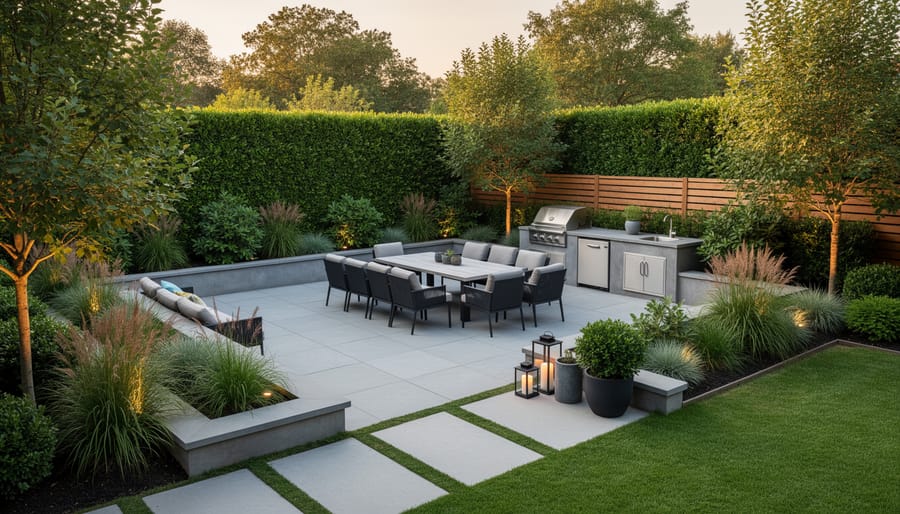
Hardscaping forms the structural backbone of any custom landscape, defining spaces and establishing the framework around which softscaping elements come alive. These permanent features need to balance durability with aesthetic appeal while serving specific functional roles on your property.
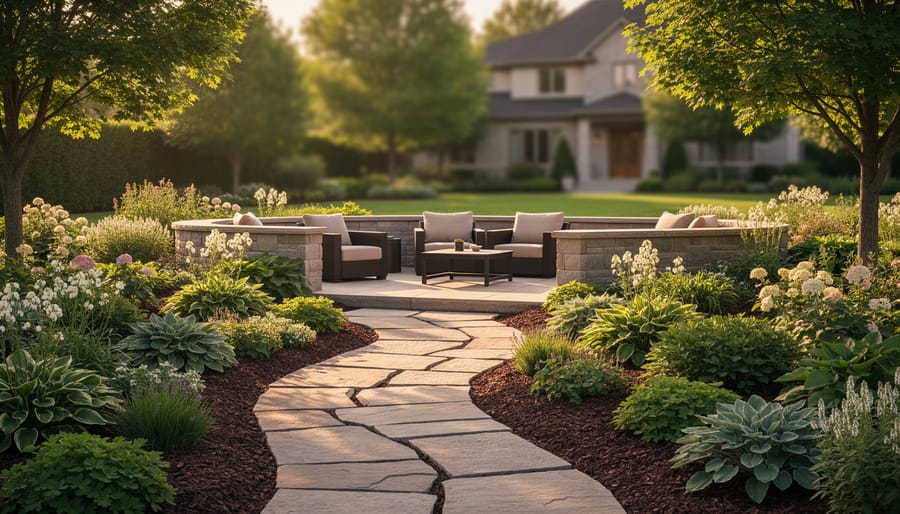
Custom patios create outdoor living rooms tailored to how you entertain and relax. Material choices range from natural stone and interlocking pavers to poured concrete with decorative finishes. Each offers distinct advantages: flagstone provides rustic elegance, while porcelain pavers deliver modern sophistication with minimal maintenance. The shape, size, and placement of your patio should respond directly to sun patterns, views, and traffic flow rather than defaulting to generic rectangular layouts.
Walkways guide movement through your landscape while preventing soil compaction and protecting plant beds. Custom paths might curve organically through garden areas or follow crisp geometric lines for contemporary properties. Material selection should consider winter traction, drainage, and how surfaces weather in Canadian freeze-thaw cycles.
Retaining walls solve grade changes while creating planting opportunities and visual interest. Beyond standard block construction, custom options include natural stone stacking, timber construction, or integrated seating walls that double as gathering spots.
Decking extends living space and bridges transitions between home and yard. Material choices now include traditional wood, low-maintenance composite, and aluminum systems, each suited to different aesthetic goals and maintenance preferences.
Fencing provides privacy and security while contributing to overall design cohesion. Custom solutions consider height variations, material mixing, and integrated planting pockets rather than uniform perimeter barriers.
Softscaping and Planting Design
Custom planting design is where your landscape truly comes alive with personality and year-round appeal. Unlike generic plant packages, a tailored approach considers your aesthetic preferences, the time you want to spend on upkeep, and how your garden performs across all four Canadian seasons.
Plant selection begins with understanding your vision. Do you prefer structured, formal beds or naturalistic cottage-garden abundance? Are you drawn to bold foliage textures or soft, flowing grasses? Your design might feature shade-loving hostas and ferns for a north-facing courtyard, or sun-loving ornamental grasses and coneflowers for open, exposed areas. Layering plants by height, bloom time, and foliage colour creates visual interest that evolves from spring through fall.
Maintenance level shapes every plant choice. Low-maintenance designs favour hardy perennials, self-sustaining ground covers, and native species adapted to local conditions without constant fussing. Higher-maintenance gardens might include hybrid roses, delicate annuals, or specimen plants requiring regular deadheading and care.
Native species deserve special consideration in Canadian landscapes. Plants like Joe Pye weed, wild bergamot, and nodding onion thrive without extra irrigation or amendments once established. They also support local ecosystems, providing critical habitat and food sources. Consulting native pollinator-friendly plant lists helps identify species that attract bees, butterflies, and beneficial insects while reducing chemical dependency.
Seasonal performance planning ensures your landscape never looks dormant. Spring bulbs give way to summer perennials, which transition into fall asters and ornamental grasses that stand beautifully through winter snowfall.
Water Features and Special Installations
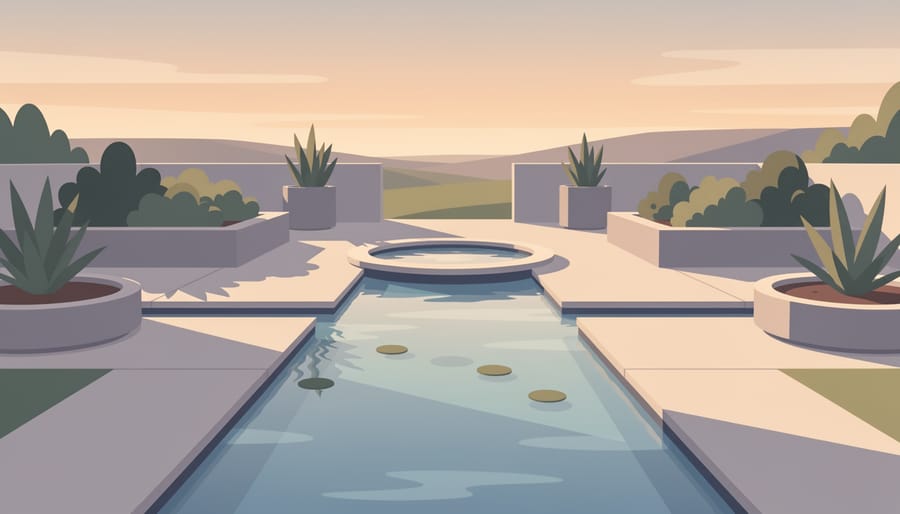
Water features transform ordinary yards into captivating retreats. A custom pond creates a focal point that draws wildlife and provides soothing sounds, while carefully positioned fountains add movement and elegance to patios or garden corners. When designing water elements for Canadian landscapes, winterization becomes crucial, install drains and use materials that withstand freeze-thaw cycles without cracking.
Irrigation systems represent another specialized installation that protects your investment. Smart irrigation controllers adjust watering schedules based on weather data, preventing overwatering during rainy periods common in many Canadian regions. Drip irrigation targets plant roots directly, conserving water while supporting healthier growth than overhead sprinklers.
Outdoor lighting extends your landscape’s usability into evening hours and enhances security. Path lights guide visitors safely, while uplighting highlights architectural trees or sculptural elements. LED fixtures consume minimal energy and last years longer than traditional bulbs. Position lights to create layers, ambient lighting for general visibility, task lighting for functional areas, and accent lighting for dramatic effect.
Consider fire features like built-in fire pits or outdoor fireplaces that extend outdoor seasons in cooler climates. Outdoor kitchens, pergolas with integrated shade systems, or custom play structures for children make landscapes truly personalized. Each special installation should serve both functional and aesthetic purposes, creating harmony rather than competing for attention. The key lies in selecting elements that genuinely enhance how you use your outdoor space, not adding features simply because they’re available.
The Custom Design Process: From Vision to Reality
Creating a custom landscape unfolds through five distinct phases, each building on the last to transform your initial ideas into a finished outdoor environment.
Initial Consultation and Discovery
The process begins with an in-depth conversation about how you envision using your space. A landscape professional visits your property to understand your goals, review your budget parameters, and identify any challenges or opportunities your site presents. This meeting covers everything from desired features and style preferences to practical concerns like drainage issues or privacy needs. Photos of landscapes you admire help communicate your aesthetic direction, while discussing your maintenance comfort level ensures the final design matches your lifestyle realistically.
Site Assessment and Conceptual Design
Following the consultation, the design team conducts a thorough site evaluation, documenting measurements, slopes, existing vegetation worth preserving, soil conditions, and sun patterns throughout the day. This technical groundwork informs the conceptual design phase, where designers sketch preliminary layouts showing how different zones might function together. You’ll typically see two or three concept options presenting different approaches to your space, each balancing your wish list with site realities and budget considerations.
Design Development and Material Selection
Once you select a preferred concept, the design becomes increasingly detailed. Specific plant varieties get chosen for their growth habits, seasonal interest, and suitability to your microclimate. Hardscape materials, pavers for patios, stone for retaining walls, decking lumber, are selected based on durability, aesthetic fit, and cost. The designer refines dimensions, grades, and technical specifications while preparing detailed drawings and a comprehensive cost estimate. This phase often involves adjustments as priorities shift or budget allocations get reconsidered.
- Schedule and attend the initial property consultation to discuss your vision, budget, and timeline expectations
- Review conceptual design options and provide feedback on layout, style, and feature priorities
- Approve the detailed design plan, finalized material selections, and project cost estimate
- Coordinate site preparation and installation scheduling around seasonal conditions and your availability
- Participate in the final walkthrough to ensure every element meets the approved design specifications
Implementation and Installation
With approvals secured, construction begins. Site preparation may involve grading, demolition of unwanted features, or utility marking. Hardscape installation typically happens first, retaining walls, patios, pathways, establishing the landscape’s structure. Irrigation and lighting systems get installed before planting begins. The construction phase progresses logically, with each trade completing their work in sequence. Professional teams protect existing features you’re keeping and maintain communication about any field conditions requiring design adjustments.
Final Details and Establishment
Installation concludes with finish grading, mulching, and a thorough site cleanup. Your landscape professional conducts a detailed walkthrough, explaining care requirements for new plantings and operating instructions for irrigation or lighting systems. The first growing season represents an establishment period where plants settle in and occasional adjustments, replacing a specimen that didn’t survive transplanting, tweaking irrigation zones, fine-tune the design. This support ensures your custom landscape matures exactly as envisioned.
Balancing Aesthetics with Practicality
The most successful custom landscapes don’t force you to choose between beauty and function, they achieve both through thoughtful design decisions from the outset.
Start with realistic maintenance expectations. A stunning perennial border requires different upkeep than sculptural evergreens or ornamental grasses. During the design phase, be honest about how much time you’ll dedicate to garden care. If weekends are for enjoying your yard rather than working in it, your designer can select resilient plants that look intentional year-round without constant deadheading, dividing, or fussing. Low-maintenance doesn’t mean boring; it means strategic plant selection and hardscape ratios that suit your lifestyle.
Budget considerations shape design in practical ways. Rather than compromising the entire vision, phase the implementation. Establish the hardscaping framework and essential plantings first, then expand garden beds or add water features in subsequent seasons. Quality materials for high-traffic areas, durable pavers for patios, proper base preparation for walkways, prevent costly repairs later. Investing in the bones of your landscape pays dividends, while decorative elements can evolve as budget allows.
Canadian climates demand designs that perform across seasons. A landscape that looks spectacular in June but dreary from October through April misses half the year. Incorporate structure through evergreens, interesting bark textures, ornamental seed heads that catch snow, and hardscaping elements that provide visual interest when plants are dormant. Consider how melting snow drains, where ice accumulates, and which areas get buried under plow piles if you live in snow-heavy regions.
Long-term sustainability means selecting plants adapted to your specific zone, improving soil health rather than fighting it, and designing irrigation that conserves water while keeping plants thriving during dry spells. Native species and cultivars bred for Canadian conditions typically require less intervention once established, reducing both maintenance time and environmental impact while supporting local ecosystems.
Maintaining Your Custom Landscape
A custom landscape represents a significant investment in your property, and proper maintenance ensures your design vision thrives year after year. The complexity of maintenance largely depends on the elements you’ve incorporated, naturalized gardens require different care than formal hedges, and water features need attention that hardscaping doesn’t.
Many homeowners choose professional maintenance services, particularly during the first few years when establishing plants and understanding seasonal needs. Professional landscapers recognize how each element contributes to the overall design and can address issues before they compromise the aesthetic. They bring expertise in proper pruning techniques, fertilization timing, pest management, and the specialized care that features like irrigation systems or water installations require. For busy property owners or those with extensive custom landscapes, this ensures consistency and protects the investment.
Self-maintenance works well for simpler designs or gardening enthusiasts who enjoy hands-on involvement. The key is understanding what your specific landscape requires. Your designer should provide a detailed maintenance plan outlining seasonal tasks: spring cleanup and mulching, summer watering and deadheading, fall planting and winterization, and winter protection for vulnerable plants and hardscaping.
Canadian climates demand particular attention to freeze-thaw cycles that affect hardscaping, winter damage to plants, and proper drainage to prevent ice buildup. Skipping seasonal maintenance doesn’t just create aesthetic problems, it can compromise structural elements like retaining walls or allow invasive species to undermine your carefully planned softscaping.
The maintenance approach you choose should match your lifestyle and capabilities. A hybrid model works for many: professional care for specialized tasks like tree pruning or system maintenance, while handling routine weeding and seasonal colour changes yourself. Whatever path you select, consistent attention preserves the design integrity and ensures your custom landscape continues delivering the experience you envisioned.
Your outdoor space holds untapped potential waiting to be realized through thoughtful, personalized design. Custom landscaping transforms ordinary yards into extraordinary environments that align perfectly with how you live, what you value, and what you envision for your property.
Unlike generic solutions, a truly custom approach considers every detail specific to your site and circumstances. It accounts for your Canadian climate challenges, your soil conditions, your family’s routines, and your aesthetic preferences. The result goes beyond surface-level beauty. You gain functional outdoor rooms that extend your living space, sustainable plantings that thrive year after year, and hardscape features built to withstand our seasons.
The investment pays dividends in daily enjoyment and long-term property value. Every time you step outside, you experience a landscape designed specifically for you, not pulled from a template.
Your property’s transformation begins with a conversation about possibilities. Consider what you want your outdoor space to become. Then take that first step toward making it real.