Creating a pet friendly landscape means selecting non-toxic plants, designing durable pathways that withstand paw traffic, and eliminating sharp edges or chemical hazards that could harm your dog or cat. The method combines scientific plant knowledge with purposeful design choices: you’ll replace common ornamentals like azaleas and lilies with safe alternatives such as crepe myrtle and Boston ferns, install permeable hardscaping to protect lawns from worn paths, and establish clear boundaries that keep pets away from delicate garden beds. Most homeowners complete a basic pet-safe yard transformation in one to two weekends, depending on property size and the extent of plant replacement required.
The challenge lies in balancing aesthetic appeal with animal safety. A well-executed custom landscaping plan accounts for species-specific behaviors like digging, territorial marking, and the tendency to chew on foliage, while maintaining the visual sophistication expected in Canadian residential design. Pet owners often underestimate how quickly certain landscape features degrade under daily use or overlook the toxicity profiles of popular garden plants. This guide provides the specific materials, installation techniques, and plant selections needed to build outdoor spaces where pets thrive and landscapes endure, grounded in both horticultural science and practical construction methods tested across varied climates and soil conditions.
Understanding Your Landscape Through Your Pet’s Eyes
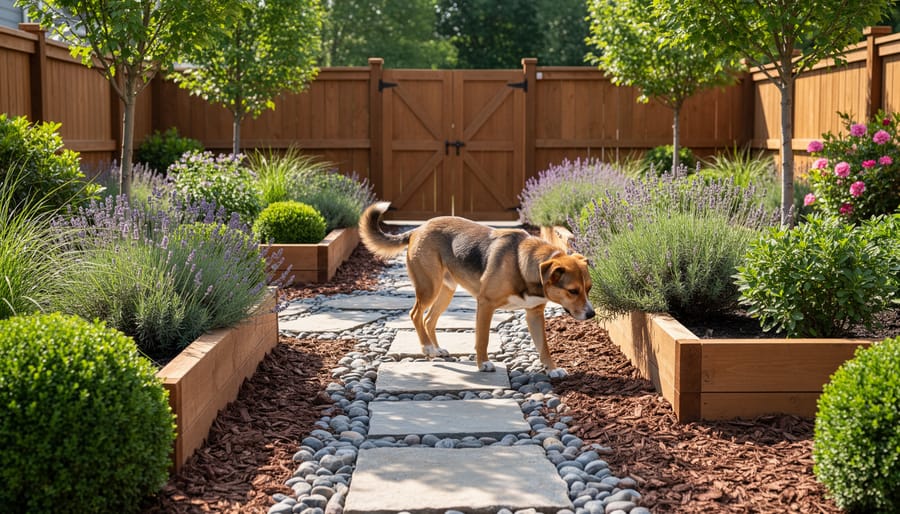
Before you design a pet friendly landscape, spend a week observing how your pet actually uses your yard. Dogs and cats interact with outdoor spaces differently than we do, they sniff, dig, patrol boundaries, and create their own pathways regardless of our intended walkways. This observation period reveals where your landscape needs modification.
Start by tracking your pet’s movement patterns throughout different times of day. Notice which areas they visit repeatedly, where they prefer to rest, and which spots they avoid. Dogs often establish perimeter routes along fences and create worn paths between favorite destinations like the door, shade spots, and vantage points. Cats typically seek elevated observation posts and hidden pathways along fences or under shrubs.
Next, identify potential hazards at your pet’s eye level and ground level. Get down low, literally crouch or lie on the ground to see what your pet sees. Look for sharp edges on hardscaping, gaps in fencing, exposed irrigation components, and unstable decorative elements that could tip over. Check for standing water that breeds mosquitoes, rotting wood that attracts pests, and small objects pets might swallow.
Examine every plant currently in your yard against toxic plant lists specific to dogs or cats. Common Canadian landscape plants like lily of the valley, azaleas, and yew are highly toxic yet frequently planted. Note which garden beds your pet tramples or digs in, these areas need either reinforcement or redesign as designated pet zones.
Document everything with photos and notes. This assessment becomes your roadmap for creating a landscape that accommodates natural pet behavior rather than fighting against it.
Essential Tools and Materials for Pet-Safe Landscaping
Before transforming your yard into a safe haven for pets, gather the right supplies. Having these items on hand streamlines the process and prevents mid-project compromises that could jeopardize your pet’s wellbeing.
- Soil testing kit: Reveals pH levels and contamination that might harm pets who dig or graze on grass
- Pet-safe mulch: Cedar or hemlock options that won’t cause intestinal blockages if ingested, unlike cocoa mulch which is toxic
- Fencing materials: Galvanized wire mesh for dig guards, vinyl-coated chain link, or treated lumber rated for ground contact
- Non-toxic plant references: ASPCA’s toxic plant database and Canadian-specific guides identifying safe species for your hardiness zone
- Paw-friendly hardscaping: Smooth flagstone, rounded river rock (larger than 3 inches to prevent choking), or permeable pavers that stay cool underfoot
- Organic lawn care products: Pet-safe fertilizers, natural weed controls, and enzyme-based cleaners for accident spots
- Border edging: Rubber or composite materials without sharp metal edges that could cut paws during play
A soil test matters more than many homeowners realize. If previous owners used lead-based products or your property sits near old structures, contaminated soil poses serious health risks when pets lick their paws after digging. Test results guide whether you need remediation or raised beds for edible plants.
When selecting dog-friendly materials prioritize durability alongside safety. Cats typically require fewer specialized materials than dogs, but both species benefit from non-toxic mulch alternatives. Shredded cedar naturally repels fleas while breaking down into soil amendments, serving dual purposes in a functional landscape.
Keep your toxic plant reference accessible during shopping trips to nurseries. Staff recommendations don’t always account for pet safety, and some popular ornamentals like azaleas or lily varieties can prove fatal if consumed. Cross-reference every purchase against verified non-toxic lists before bringing plants home.
Critical Safety Warnings Before You Begin
Before modifying your landscape, take stock of potential dangers lurking in your existing space. Many popular ornamental plants, including lilies, azaleas, sago palms, tulips, and daffodils, pose serious toxicity risks if your pets chew on leaves, stems, or bulbs. Cross-reference every plant in your yard against the ASPCA toxic plant list before you begin any design work, and remove dangerous species immediately rather than planning around them.
Chemical treatments present another hidden hazard. Synthetic fertilizers, herbicides, and insecticides linger on grass blades and soil surfaces where pets walk and lie, then transfer to paws and fur that animals later groom. Eliminate these products from your maintenance routine and verify that any contractor you hire uses only pet-safe alternatives.
Sharp edges on existing hardscaping deserve scrutiny too. Cracked pavers, exposed rebar, splintered wood edging, and protruding metal stakes can lacerate paw pads or cause deeper injuries during play. Assess all safe hardscaping materials and repair or replace anything with jagged surfaces.
Water features require deliberate design to prevent drowning. Steep-sided ponds, fountains with slippery basins, and pools without exit ramps trap disoriented or exhausted animals. If you can’t retrofit these features with graduated entry points and secure barriers, consult a professional landscaper experienced in pet safety before proceeding.
Step-by-Step Process to Build a Pet Friendly Landscape
Step 1: Map Your Yard and Identify Zones
Start by walking your entire yard with paper and pencil. Measure the perimeter using a tape measure or simply count your paces, then sketch a rough overhead view showing fences, structures, and major features.
Now observe where your pet naturally spends time. Mark high-traffic areas where your dog runs or your cat prowls, these become play zones. Note where your pet already digs or scratches. Rather than fighting this behavior, designate these spots as acceptable digging zones in your pet friendly landscape design.
Identify shaded areas where your pet rests during hot days and sunny spots they seek in cooler weather. Mark these as rest zones. Trace the paths your pet takes between the door, favorite spots, and the fence line, these natural corridors should become your main pathways.
Finally, circle areas you want to protect: vegetable gardens, flower beds, delicate plantings. These protected zones need physical barriers or strategic placement away from pet traffic patterns.
Your map doesn’t need artistic polish. Simple labels like “Max’s digging area,” “pathway to back fence,” or “protect rose garden” give you a working blueprint. This 10-minute exercise prevents costly mistakes and ensures your finished landscape accommodates both pet behavior and your aesthetic goals for truly functional pet friendly landscapes.
Step 2: Remove Hazards and Install Secure Boundaries
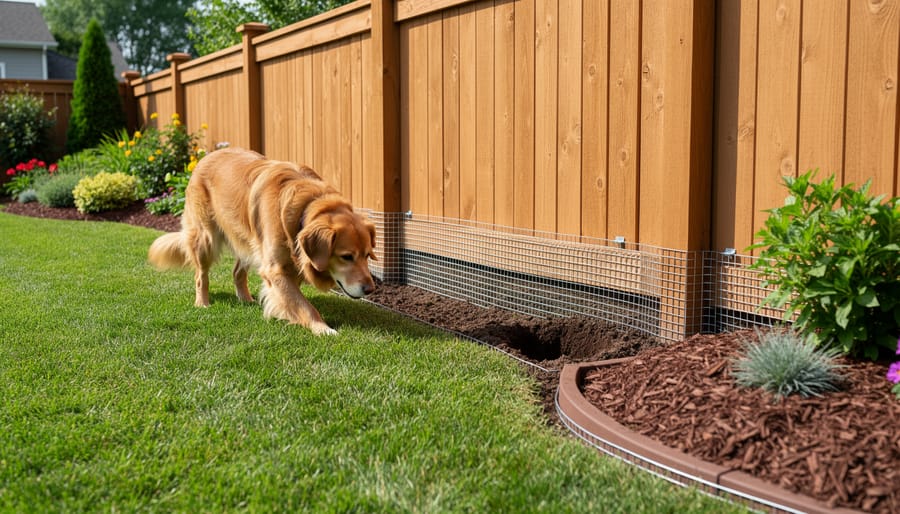
Start by walking your yard with a trash bag and removing immediate dangers: fallen branches, garden stakes, rusty nails, broken pottery, and chemical containers. Check for unstable decorative items that could topple onto pets.
Next, identify and remove toxic plants. Common Canadian garden hazards include azaleas, rhododendrons, lily-of-the-valley, yew, oleander, and sago palm. Dig out the entire root system, wearing gloves, and dispose of clippings where pets cannot access them. Consult the ASPCA’s toxic plant database if you’re uncertain about a species.
Inspect your entire fence line for gaps, loose boards, or areas where digging underneath has created escape routes. A determined dog can squeeze through surprisingly small openings. Repair or replace damaged fence sections, ensuring boards are flush with no protruding nails.
For dig-prone pets, install dig guards along the fence perimeter. Bury galvanized wire mesh or chicken wire 12 to 18 inches deep and bend it outward at a 90-degree angle, creating an L-shape that extends 12 inches into the yard. Cover with soil and grass seed.
Verify fence height meets the needs of your specific pet. Active dogs typically require six-foot fencing, while smaller breeds need at least four feet. Ensure gates latch securely and open inward or have lock mechanisms pets cannot manipulate.
Step 3: Select and Plant Pet-Safe Vegetation
Start by selecting non-toxic plants verified safe for pets through resources like the ASPCA’s database. For Canadian zones, focus on hardy options: creeping thyme and clover make excellent groundcovers that tolerate paw traffic while releasing pleasant scents when stepped on. Choose durable shrubs like forsythia and serviceberry that provide visual interest without creating hazards.
Plant strategically by placing delicate specimens in protected zones behind borders, keeping high-traffic areas open with resilient groundcovers. Install sturdy shrubs along fence lines to discourage digging while creating natural barriers. Space plants generously to allow maintenance access and prevent pets from trampling them repeatedly.
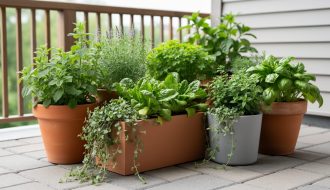
For installation, enrich soil with compost before planting to encourage strong root systems that withstand occasional disturbance. Water deeply after planting and apply pet-safe mulch around bases to retain moisture and discourage digging. If space is limited, container gardening keeps vulnerable plants safely elevated.
Position trees like birch or maple to provide shade in rest areas, ensuring adequate clearance from fences to prevent climbing opportunities. Avoid plants with thorns, brittle branches, or toxic berries regardless of their aesthetic appeal.
Step 4: Install Pet-Friendly Hardscaping and Pathways
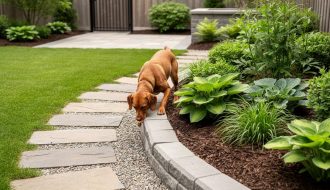
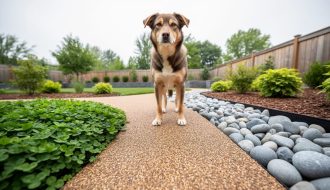
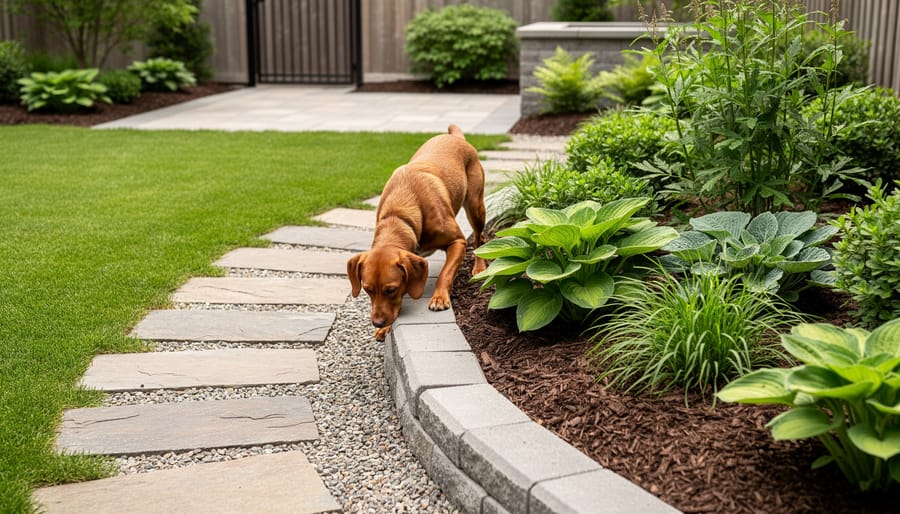
Hardscaping forms the skeleton of your pet-friendly landscape, providing durable surfaces that withstand daily paw traffic while preventing escape attempts. Start with pathways using decomposed granite or pea gravel sized 3/8-inch or smaller, larger stones lodge uncomfortably between paw pads. Install pavers with tight spacing (1/4-inch maximum gaps) to prevent toe injuries and discourage digging along edges. For patios, choose textured flagstone or brick over smooth concrete, which becomes slippery when wet and hot underfoot during summer.
Border your hardscaping with buried edging extending 6-8 inches below ground to block digging routes beneath fences and garden beds. Metal or composite borders work better than plastic, which dogs can chew through. Consider paw-safe options like river rock (1-2 inches diameter) for drainage areas rather than sharp crushed stone. Avoid chemically treated wood, railroad ties, or cocoa mulch in hardscape borders, all pose toxicity risks. Seal any gaps where curious noses might wedge through, and ensure all surfaces drain properly to prevent standing water that attracts pests.
Step 5: Add Functional Pet Amenities
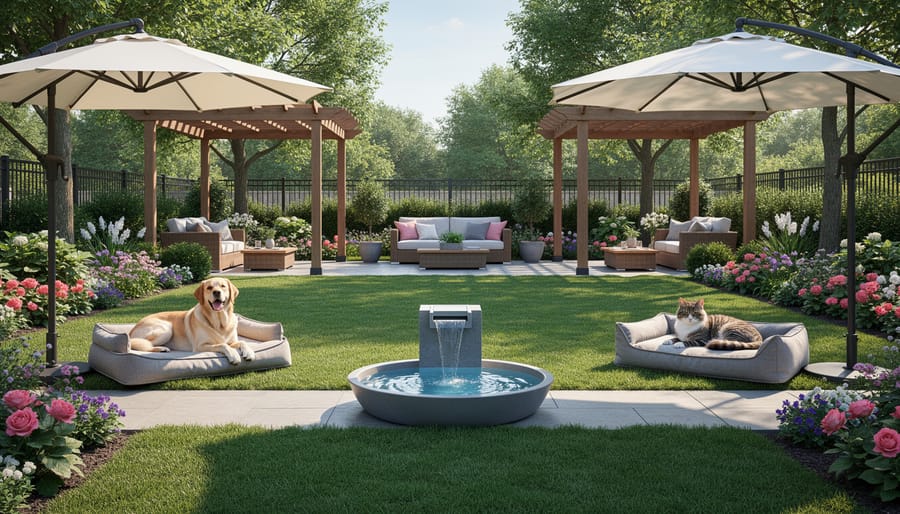
Install amenities that encourage positive pet behavior while maintaining landscape beauty. A designated digging zone contains natural digging instincts: fill a bordered three-by-four-foot area with loose sand or mulch in a corner where your pet already digs, burying toys initially to create the association. Position it away from garden beds you want to protect.
Shade structures become critical in Canadian summers, especially for dark-coated breeds. Install pergolas with climbing vines (Virginia creeper, honeysuckle) or position shade sails over primary rest areas. Place these near water stations for maximum cooling benefit.
Water access prevents pets from damaging irrigation systems or digging at hose bibs. Install elevated, automatic-refilling bowls in shaded locations, securing them to prevent tipping. For multi-pet households, position stations at opposite ends of the yard to reduce territorial disputes.
Ground-level durability requires strategic choices. Replace high-traffic lawn areas with clover (handles urine better than grass), reinforced turf grids filled with soil and seed, or decomposed granite pathways that stay cool underfoot. Border these zones with Belgian block or thick rubber edging that resists chewing.
Complete implementation sequence:
1. Mark zones where pets currently rest and play
2. Install shade structure footings and framework first
3. Create digging zone with borders and fill material
4. Position and secure water stations with drainage underneath
5. Install durable ground covers in worn pathways and rest areas
Test each amenity with supervised access, adjusting placement based on actual use patterns over the first week.
Verification and Ongoing Maintenance
Once your pet friendly landscapes transformation is complete, proper verification ensures lasting safety and functionality. Begin by conducting supervised test sessions with your pets, allowing them controlled access to different zones while you observe their reactions. Watch for unexpected digging attempts, interest in specific plants, or navigation difficulties around hardscaping. This initial observation period typically spans two to three weeks and reveals any design oversights before granting full access.
Complete a thorough hazard check using this verification and maintenance approach:
- Walk the perimeter weekly checking for fence gaps, loose boards, or new escape routes
- Inspect plant health monthly and remove any dead branches or toxic volunteers that sprouted
- Test water features for proper depth and accessible exit points
- Examine hardscaping for sharp edges, loose stones, or developing trip hazards
- Verify mulch depth remains adequate and hasn’t scattered onto pathways
- Check shade structures and pet amenities for stability and weather damage
Canadian climates demand seasonal adjustments to maintain pet safe outdoor spaces. Spring requires removing winter debris, checking for frost-heaved pavers, and refreshing mulch layers. Summer heat means monitoring water station functionality and ensuring shade coverage remains adequate. Fall preparation involves raking toxic fallen leaves from certain trees and securing loose items before winter winds. Winter checks focus on ice hazards, snow load on structures, and maintaining cleared pathways.
Reassess your landscape annually or whenever you notice persistent behavioral changes in your pets. Repeated digging in new locations, reluctance to use certain areas, or gastrointestinal issues warrant immediate investigation. Professional consultation becomes necessary if drainage problems develop, major pest infestations occur, or structural elements show significant deterioration.
Common Questions About Pet Friendly Landscapes
What’s the main difference between designing pet friendly landscapes for dogs versus cats?
Dogs need secure perimeter fencing and durable pathways to handle their active movement patterns, while cats require vertical elements like safe climbing structures and enclosed spaces for hiding. Both need non-toxic plants, but dogs are more likely to dig and trample vegetation, requiring hardier groundcovers in high-traffic zones.
How much does it cost to convert a standard yard into a pet-safe landscape?
Basic conversions start around $500 for DIY projects focusing on plant removal and simple fencing repairs, while comprehensive redesigns with professional installation range from $3,000 to $15,000 depending on yard size and material choices. Prioritizing safety fixes first and phasing aesthetic improvements over multiple seasons helps manage costs.
Can pet friendly landscapes still look sophisticated and visually appealing?
Absolutely. Using ornamental grasses, hardy native perennials, and artistic hardscaping creates stunning designs that happen to be pet-safe. The key is selecting plants for both their aesthetic qualities and non-toxic properties rather than treating safety as a limitation.
What seasonal challenges should Canadian homeowners expect with pet-safe yards?
Winter ice melt products can be toxic to pets, requiring pet-safe alternatives or designated pathways. Spring thaw exposes previously buried hazards and creates muddy zones that need reinforcement, while fall requires vigilant removal of toxic mushrooms that appear in damp conditions.
How often should I reassess my landscape for new pet safety concerns?
Conduct thorough inspections twice yearly in spring and fall, checking for fence damage, emerging toxic plants, and wear patterns that create new hazards. After severe weather events or when introducing a new pet to the space, perform additional spot checks to ensure continued safety.
Beyond these common questions, remember that every pet has unique behaviors and needs. What works for a small terrier might not suit a large retriever or an outdoor cat. Observe how your specific pets interact with the landscape during the first few weeks after modifications, and adjust accordingly. If you notice persistent problems like excessive digging in unwanted areas or attempts to escape, these signal design elements that need rethinking rather than behavioral issues alone.
Creating pet friendly landscapes that protect your animals while showcasing stunning design is entirely achievable when you follow a systematic approach. By starting with a thorough assessment of your yard through your pet’s perspective, then methodically working through hazard removal, plant selection, hardscaping installation, and functional amenities, you transform outdoor spaces into safe havens that don’t sacrifice visual appeal.
The integration of artistic landscaping principles with scientific understanding of pet behavior and plant toxicology proves that safety and beauty coexist seamlessly. Each step builds upon the previous one, creating a cohesive environment where pets thrive and landscapes flourish. Begin with your yard mapping and zone identification, this foundation determines every subsequent decision and ensures nothing critical gets overlooked.
For complex projects involving significant grading changes, extensive hardscaping, or challenging plant arrangements in difficult microclimates, consulting experienced landscape professionals combines their technical expertise with your vision. Whether you tackle the transformation independently or partner with specialists, the result remains the same: outdoor spaces where pets play safely and landscapes display enduring beauty through all Canadian seasons.